
23 Things They Don't Tell You About Capitalism
$10
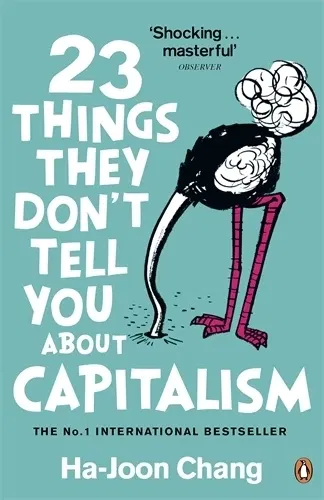
“Once you know that there is really no such thing as a free market, you won’t be deceived by people who denounce a regulation on the grounds that it makes the market ‘unfree’ (see Thing 1). When you learn that large and active governments can promote, rather than dampen, economic dynamism, you will see that the widespread distrust of government is unwarranted (see Things 12 and 21). Knowing that we do not live in a post-industrial knowledge economy will make you question the wisdom of neglecting, or even implicitly welcoming, industrial decline of a country, as some governments have done (see Things 9 and 17). Once you realize that trickle-down economics does not work, you will see the excessive tax cuts for the rich for what they are – a simple upward redistribution of income, rather than a way to make all of us richer, as we were told (see Things 13 and 20). What has happened to the world economy was no accident or the outcome of an irresistible force of history. It is not because of some iron law of the market that wages have been stagnating and working hours rising for most Americans, while the top managers and bankers vastly increased their incomes (see Things 10 and 14). It is not simply because of unstoppable progress in the technologies of communications and transportation that we are exposed to increasing forces of international competition and have to worry about job security (see Things 4 and 6). It was not inevitable that the financial sector got more and more detached from the real economy in the last three decades, ultimately creating the economic catastrophe we are in today (see Things 18 and 22). It is not mainly because of some unalterable structural factors – tropical climate, unfortunate location, or bad culture – that poor countries are poor (see Things 7 and 11).”
4 months ago
Comments


Follow Benjamin Jackson
By submitting, you agree to our Terms and Privacy Policy